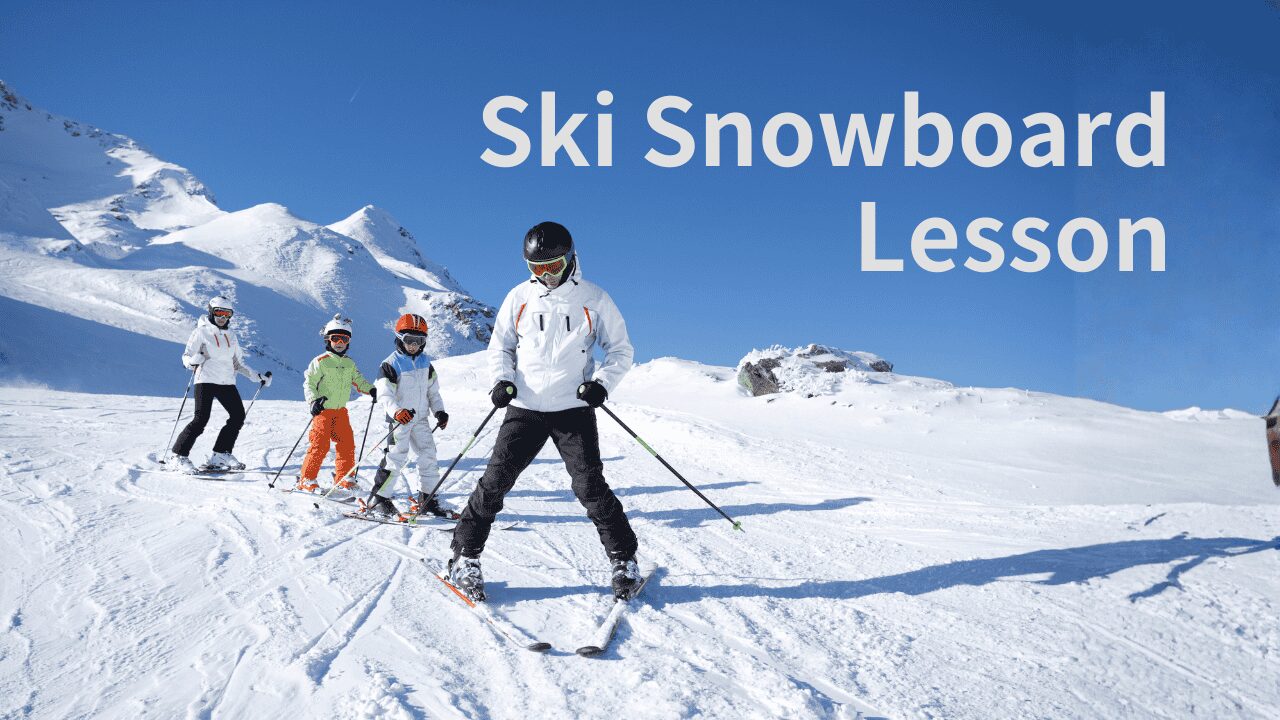
If you are a skier or snowboarder visiting Japan, many of you will want not only to enjoy JAPOW but also to improve your riding. Major ski resorts in Japan have schools available for children and adults. Resorts frequently visited by foreign guests, such as Hakuba and Niseko, offer lessons in English. Taking lessons on powder snow will likely accelerate your progress. This article explains the ski school information at Japan’s major resorts.
1. Why are ski schools at Japanese resorts so popular?
① An international environment with multilingual support
At resorts with a high percentage of foreign visitors—such as Niseko and Hakuba—many schools offer multilingual lessons centered on English. Instructors often come from English-speaking countries such as Australia, New Zealand, Canada, and the UK, so you can take lessons in a familiar, international style.
② High, world-class instructional standards
Instructor qualifications often follow international standards such as:
- SIA (Ski Instructors Association of Japan)
- CSIA (Canada)
- PSIA (USA)
- NZSIA (New Zealand)
③ Beginner-friendly environment
Japanese resorts are structured to be welcoming for first-time skiers and snowboarders:
- Wide, gentle slopes
- Beginner-only areas
- Magic carpets (conveyor lifts)
④ Abundant powder-specialty lessons
Because Japan offers the rare environment of daily deep powder in some regions, there are many powder-focused lessons as well as off-piste and tree-run programs.
2. Main types of lessons available at Japanese schools
◆ Group lessons
The most common and cost-effective option. Classes are divided by age and level.
Advantages
- Lower cost
- Learn with peers of similar level
- Ideal for beginners
Disadvantages
- Paced by other members of the group
- May be less challenging for advanced riders
◆ Private lessons
The fastest way to improve. Private lessons tend to have the highest satisfaction among visiting guests.
Advantages
- Fully customized instruction
- Rapid technical improvement
- Learn at your own pace
Private lessons are especially suitable for powder and backcountry introductions.
◆ Kids’ programs
Japan places strong emphasis on safety, and children’s lessons are very well developed.
Features
- English-speaking staff
- Play-based instruction
- Indoor kids’ rooms
- Some programs include lunch
These are extremely popular with families.
◆ Special programs
Some schools provide highly specialized lessons:
- Powder clinics
- Park (jumps & jib) lessons
- Backcountry fundamentals
- Women-only lessons
3. Prices
The following are lesson prices for Niseko and Hakuba. All lessons listed are English-friendly. Prices vary by season.
| Area | Lesson Type | Duration | Price |
|---|---|---|---|
| Niseko | Group | Full Day (5.5h) | ¥24,000 |
| Half Day (2.5h) | ¥21,000 | ||
| Private | Full Day (6h) | ¥125,000 | |
| Half Day (2h) | ¥45,000 | ||
| Hakuba | Group | Full Day (5.5h) | ¥12,500 |
| Half Day (2.5h) | ¥9,000 | ||
| Private | Full Day (6h) | ¥64,000 | |
| Half Day (2h) | ¥30,500 |
4. Niseko Hirafu school scene — a world-class international environment
Niseko Hirafu in Hokkaido has the most internationally diverse ski school environment in Japan. Winter visitors from overseas are said to exceed 70%, and multilingual support has become the standard.
◆ Features of Niseko schools
- Nearly 100% English support
- Many foreign instructors
- Extensive powder lessons
- Abundant kids’ programs
- Bookings fill up extremely quickly (especially Dec–Feb)
◆ Major schools
- Grand Hirafu Snow School (official school)
- NISS (Niseko International Snowsports School)
- GoSnow (particularly popular with foreign visitors)
◆ Why Niseko is chosen
Niseko is famous for unusually deep powder, and many advanced riders visit specifically seeking “powder-focused lessons.”
5. Hakuba Happo-One school scene — high-quality lessons tailored to ability
Hakuba Happo-One in northern Nagano features dynamic terrain with long, steep runs. It is especially suited to intermediate and advanced skiers and is popular among technique-oriented riders.
◆ Features of Hakuba Happo schools
- Many English-friendly schools
- Generally more affordable than Niseko
- Strong lineup of technique, powder, and backcountry programs
- Park lessons and coordination with mountain guides are available
◆ Major schools
- Happo-One Ski & Snowboard School (official)
- Hakuba Snowsports School
- Evergreen International Ski School (EISS)
EISS, in particular, is one of Japan’s best-known English-friendly schools and attracts students from around the world every year.
6. Booking tips for schools (for international visitors)
① Early booking is essential (especially in Niseko)
The peak season from Christmas through Lunar New Year (February) is extremely busy; reservations can fill up 2–3 months in advance.
② Online booking is common
English booking pages are well developed, and credit card prepayment is usually available.
③ Arrive 20–30 minutes before your lesson
Japanese resorts are punctual; late arrival may result in being unable to join the lesson.
④ Complete rental fitting before the lesson
Ski/snowboard, boots, and helmet fitting takes time, so prepare the day before or early in the morning for a smooth start.
7. Tips for making the most of lessons
- Avoid overly thick socks (boots can become painful).
- If targeting powder, take a private lesson.
- Snow quality is usually better in the morning.
- Check the weather—Niseko lifts can stop frequently in high winds.
- Don’t hesitate to ask staff for equipment adjustments.
8 Summary
Japanese ski & snowboard schools provide world-class instruction, safety, and multilingual support. Niseko Hirafu offers an internationally rich lesson environment with powder-focused menus. Hakuba Happo-One offers terrain that enhances technical progression and strong backcountry introductory options.
Even first-time visitors to Japan’s snowy mountains can enjoy a safe and efficient experience by using a school. Please enjoy the uniquely Japanese snow-sports experience for yourself.