In recent years, the number of visitors to Japanese ski resorts has continued to increase since the COVID-19 pandemic. While the number of Japanese skiers and snowboarders is declining, the number of international visitors continues to grow, causing popular resorts to become crowded. This year, with abundant snowfall expected, many foreign skiers and snowboarders are predicted to visit Japan in search of JAPOW. Since you’ve come all the way to Japan, no one wants to spend their precious time standing in long lift lines. In this article, we will explain how crowded Japanese ski resorts can get and how to avoid the congestion.
■ When Do Japanese Ski Resorts Get Crowded?
Peak times in Japan are largely influenced by “Japan-specific holidays.”
① New Year Holidays (December 29 – January 3)
This is the most crowded period of the season. Domestic travelers, people returning home, and international tourists all overlap, causing peak congestion in accommodations, lifts, and restaurants. Niseko sees especially high numbers of visitors from Australia, Hong Kong, and Singapore.
② Coming-of-Age Day Long Weekend (Second week of January)
This three-day weekend brings many Japanese skiers and snowboarders to the mountains, causing heavy crowds in Hakuba and the entire Nagano region.
③ Lunar New Year / Chinese New Year
Tourists from Korea, Hong Kong, Taiwan, and China increase during this period, especially making Niseko very crowded.
④ Weekends in February
With stable snowfall and ideal conditions, both domestic and international visitors increase. Lift lines in Hakuba and Niseko tend to be long in the mornings.
⑤ Spring Holidays in March (Japanese school break)
Family travelers increase. Snow becomes slightly heavier, but crowd levels can be similar to February.
■ When Should You Go to Avoid Crowds?
① Weekdays in mid to late January (excluding Lunar New Year)
This is the golden period: the best snow quality with moderate crowd levels. Both Niseko and Hakuba offer excellent conditions.
② Weekdays in February (Tuesday–Thursday)
Weekends are busy, but weekdays are smoother. Hakuba in particular tends to have shorter lift lines.
③ Early March on weekdays
Snow gradually becomes more spring-like, but crowds ease and the weather is more stable.
■ Best Times of Day to Avoid Crowds
● 8:00–9:00 (Right after lifts open)
- Powder days are always crowded (especially in Niseko)
- However, regular weekdays are very comfortable
- In Hakuba, weekdays outside weekends are smooth
● 10:00–11:30 (Crowding peak)
- Coincides with beginner lessons
- Group tours and buses arrive
- Restaurants begin to fill up
● 12:00–13:00 (Lunch hour — lifts become quieter)
- Restaurants are crowded, but lifts get shorter
- This is a recommended time to ski
● 14:00–15:30 (Moderately quiet)
- Morning skiers take breaks
- Sunny days in spring make this period ideal
- The effect is especially noticeable in Hakuba
■ Are There Priority Lifts or Fast Passes?
Unlike some overseas resorts, Japan does not widely offer “priority lanes” or “fast passes.” However, some services do exist:
● Niseko (Grand Hirafu, Hanazono, etc.)
- Hanazono: Fast Track — paid priority line access
- Some advanced guided tours take you to less crowded areas, effectively reducing wait times
● Hakuba (Happo One, 47, Goryu)
- Happo One: Early Morning — special early opening on select days
- No official priority lanes, but private lesson students may receive priority lift boarding
● Priority boarding through ski schools
Many resorts allow private-lesson participants to use lesson priority lanes, which is highly effective for avoiding crowds.
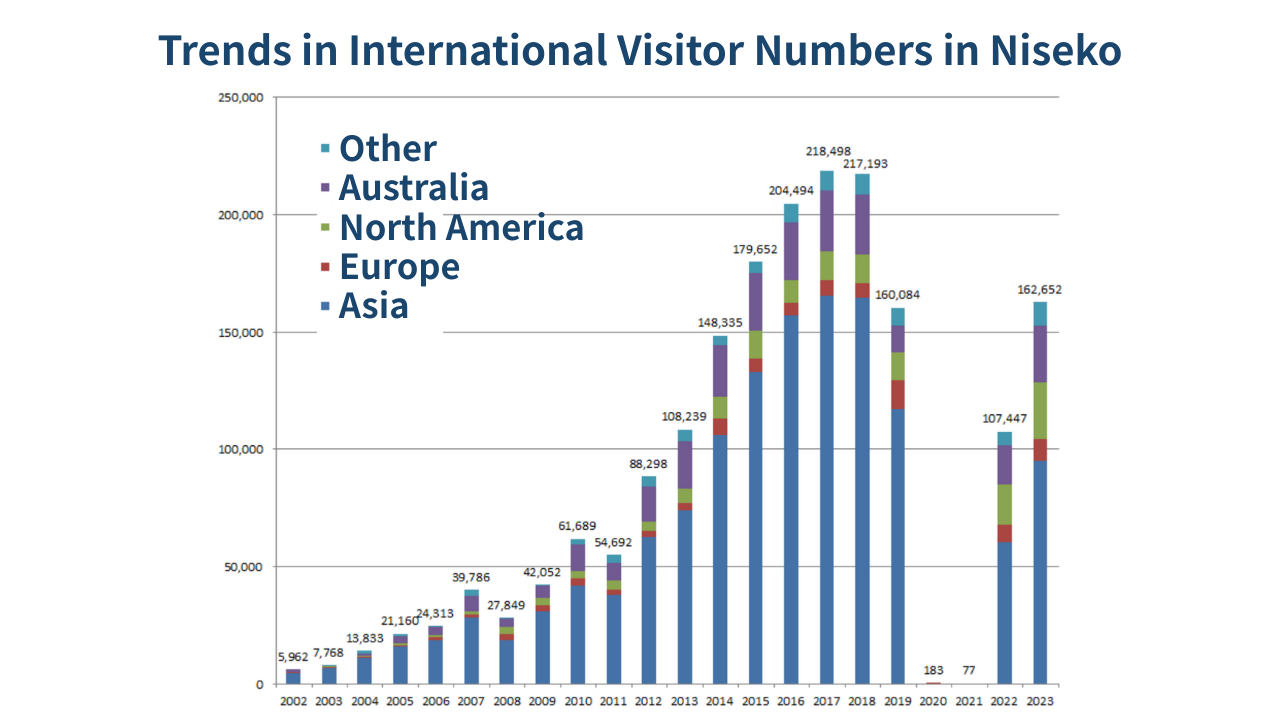
■ Crowding Trends in Niseko
Niseko is internationally famous and has:
- High foreign visitor ratio; English widely spoken
- Large queues on powder days
- High demand for dining, rentals, and lessons during peak periods
- Hanazono and Annupuri are often less crowded
- Most crowded in January; quietest on weekdays in mid–late February
Especially at Grand Hirafu, the Ace Family lift gets crowded in the morning. Moving to Hanazono or Annupuri helps significantly reduce stress.
■ Crowding Trends in Hakuba
Hakuba Village features large terrain and multiple ski resorts (Happo One, Hakuba 47, Goryu), allowing good distribution of crowds. As a result, Hakuba feels less congested than Niseko.
- Many domestic group tours arrive by bus
- Peak congestion around 10:00 and lunchtime
- Happo One gondola often has long lines
- 47 and Goryu are busy on weekends but smooth on weekdays
- Powder days rarely have lines as long as Niseko
Overall, Hakuba tends to retain powder snow longer, making it popular among snow-quality-focused riders.
■ Local Resorts and Hidden Gems
Popular resorts like Niseko and Hakuba now see crowds even on weekdays because over 90% of their visitors are international. However, Japan has nearly 1,000 ski resorts, many of which are still unknown to foreign travelers. Some local ski areas do not offer foreign-language support, but in exchange, you may enjoy having the slopes almost to yourself.
■ Tips to Avoid Crowds
- Visit on weekdays (especially mid–late January)
- Ski from 8:00–9:00 or 12:00–13:00
- Use private lessons for priority lift access
- In Niseko, move to Hanazono or Annupuri
- In Hakuba, choose 47 or Goryu instead of Happo One
- Avoid New Year, Lunar New Year, and weekends
- Consider local, lesser-known resorts
■ Conclusion
Japanese ski resorts offer world-class snow quality and hospitality, and with just a little planning to avoid peak times, you can enjoy an incredibly smooth ski experience. Niseko is international and lively but tends to be more crowded. Hakuba benefits from dispersion across multiple mountains and offers terrain variety for all levels.
Use the points in this article when planning your trip, and enjoy the best possible conditions on Japan’s snowy mountains.